From Lake Syne to the monitoring system of Kyiv's water bodies
From Lake Syne to the monitoring system of Kyiv water bodies
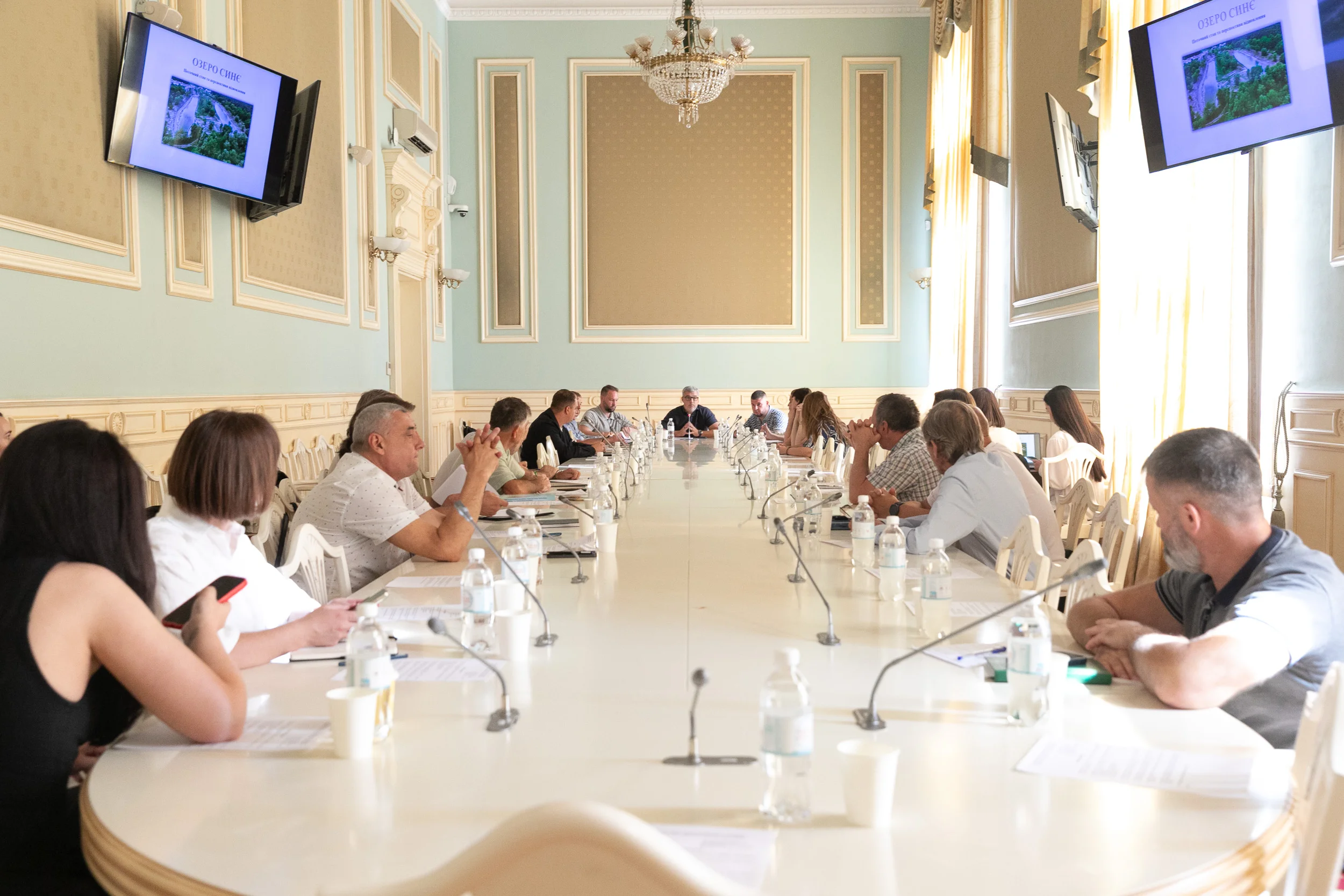
On August 20, 2026, a meeting of the working group on the restoration and maintenance of the hydrological state of Lake Syne in the Podilskyi district of Kyiv was held at the Kyiv City State Administration. The meeting was held at the premises of the Kyiv City State Administration at 36 Khreshchatyk St.
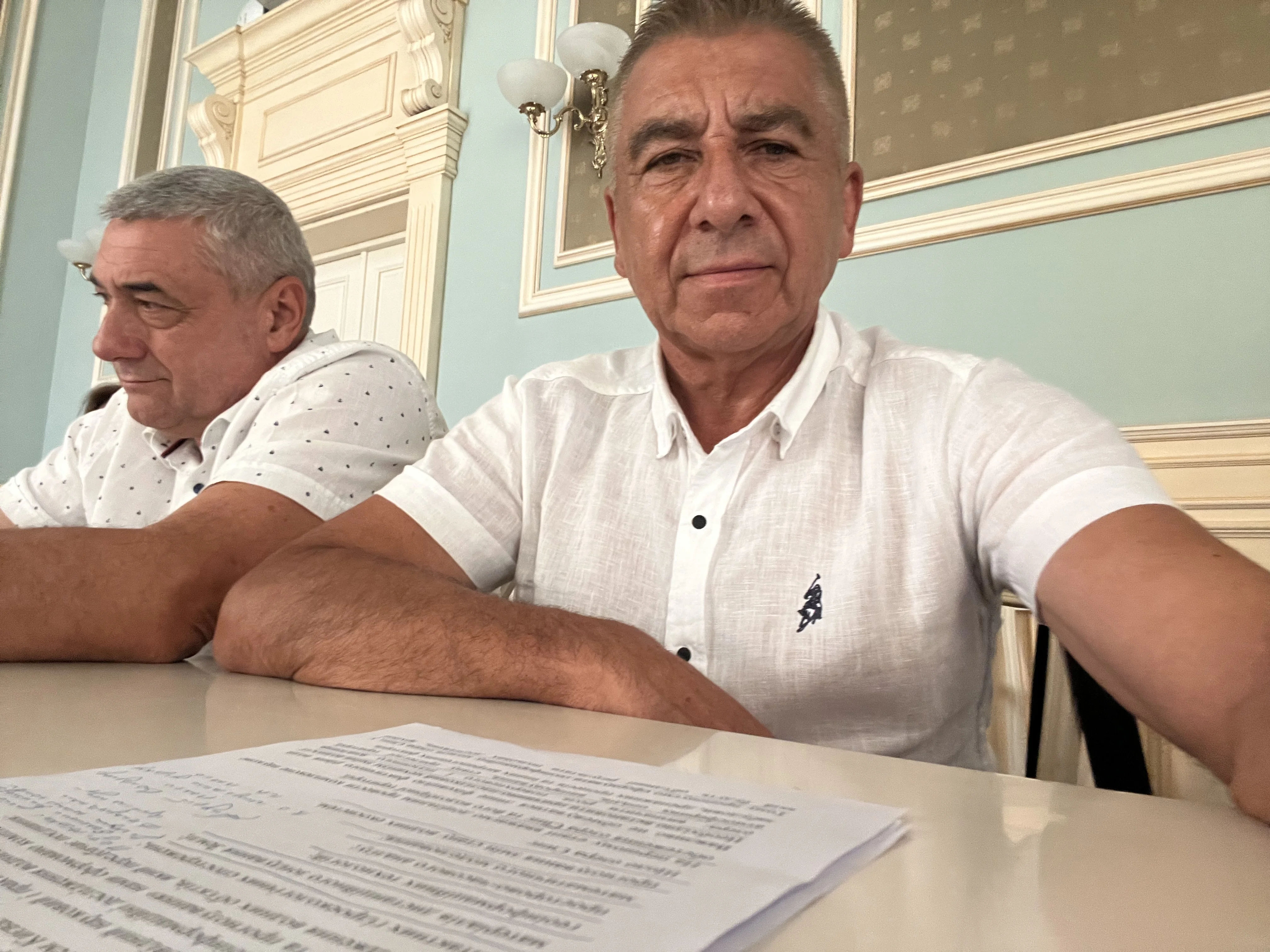
The meeting was attended by the co-chairman of the Public Organization "U-TERA", Doctor of Technical Sciences, Professor Vasyl Trysnyuk.
During the meeting, the participants reviewed the information of the Pleso Municipal Enterprise on the measures already taken to restore the lake, the results of water level monitoring and surveys conducted. Special attention was paid to the reasons that may prevent the achievement of the proper hydrological state of the reservoir, the need for additional scientific research and the formation of a further work plan.
Science should become the basis for the long-term restoration of the reservoir
In his speech, Vasyl Trysnyuk emphasized that it is advisable to consider the problem of Lake Syne much more broadly than the restoration of a separate city reservoir. The lake can become a pilot site for the creation of a modern system of scientific monitoring, forecasting and management of the state of water ecosystems in Kyiv.
According to him, the primary task should be a comprehensive scientific survey of Lake Syne and its catchment area. In this case, it is important to establish not only the actual water level, but also the cause-and-effect relationships of water content changes - the impact of surface and underground recharge, precipitation, evaporation, development of adjacent territories, drainage processes and other anthropogenic factors.
“We must move from recording what is happening to the lake today to a scientific understanding of the causes of these processes and predicting what will happen to the reservoir under different scenarios of management decisions,” Vasyl Trysnyuk emphasized.
Main proposals
During the speech, it was proposed to form a joint program for comprehensive monitoring of Lake Synye, which would include monitoring of the water level, water surface area, seasonal dynamics, the state of the coastal zone and vegetation, as well as the main hydrochemical and hydroecological indicators.
An important component of the proposed approach should be the use of satellite and geoinformation monitoring. Analysis of long-term data from remote sensing of the Earth will allow to recreate the dynamics of the water surface area, establish the periods of the most significant changes and compare them with development, land use changes and hydrometeorological conditions.
Separately, Vasyl Trysnyuk proposed to create a digital GIS model of Lake Synye and its catchment, which would combine data from the Pleso Municipal Enterprise, the results of scientific and field research, cartographic materials and satellite observations. In fact, such a model could become a constantly updated digital passport of a water body.
The next step should be to develop forecast scenarios for changes in the state of the lake under conditions of dry periods, changes in the amount of precipitation, increased anthropogenic load, transformation of the surrounding area and implementation of various engineering solutions. This will allow, even before the implementation of specific measures, to assess their possible short- and long-term environmental consequences.
From Lake Syne to the monitoring system for Kyiv water bodies
The speech paid special attention to the prospect of expanding the developed methodology to other water bodies in the capital.
Lake Syne was proposed to be considered as a pilot facility on the basis of which modern methods of comprehensive monitoring can be tested. In the future, this experience can become the basis for the formation of a single geoinformation system for monitoring and forecasting the state of water bodies in Kyiv. Such a system should ensure the transition from responding to environmental problems after they arise to their early detection, modeling and forecasting.
According to the results of the meeting, Vasyl Trysnyuk proposed to designate Lake Syne as a pilot object of scientific and technical cooperation and to form a specific joint research plan. The key principle should be to combine engineering measures with constant monitoring, scientific analysis of the causes of changes and forecasting the consequences of management decisions.
NGO "U-TERA" supports the development of scientifically based approaches to the preservation and restoration of the capital's aquatic ecosystems, strengthening the interaction of the public, scientific institutions and city services and the implementation of modern geoinformation and remote technologies in the field of environmental safety.